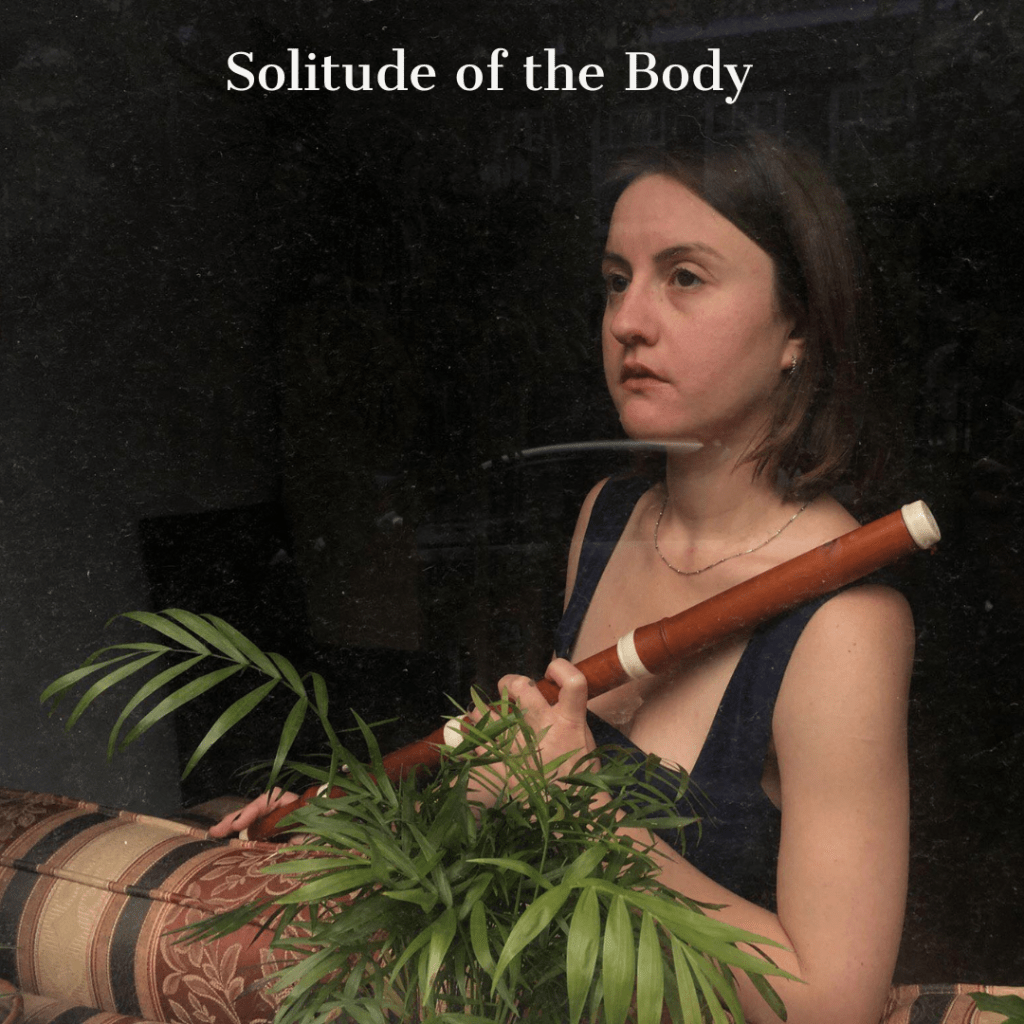
SAMOTA TELA
I.
Osamelý duch kráčal ulicami,
telá bez duše hemžili sa naokolo,
ich pohyby – jasné a cielené,
padala rosa, oni ju necítili.
Ráno pomaly sa roztváralo
podľa pohybov slnečných lúčov,
najprv bledé a neisté
postupne pridávalo na intenzite.
Osamelý duch všetko to vnímal
ale nič z toho necítil.
Nemal telo.
II.
Vôňa dažďa nadránom
vpíjala sa do mňa
namiesto tepla slnka.
Moje telo,
po noci ešte skrehnuté
skrývalo sa do seba
ako slimák v ulite.
III.
Letel mnohými ulicami,
sám, bez tela nevidený.
Pozeral a kde-tu videl ľudí,
vnímal ich, no necítil
nič z ich ranných životov.
IV.
Stála som na prahu dverí,
na prahu svojho života.
Roztváram dlane a prsty,
celé moje telo dýcha.
Krehkosť chvíle ku mne volá,
túžim ju navždy uchopiť.
V.
A zrazu – ona,
zazrel ju náhle,
na prahu dverí
stojí nehybná.
So zatvorenými očami
dýcha cez krásne hladné pery,
cez roztvorené prsty na rukách
vdychuje vôňu sviežeho rána.
Náhle zacítil jej telo –
stojace tak blízko neho –
ako s dychom tohto rána,
vdychuje vôňu celého
svojho krehkého života.
Dorota Matejová, jar 2020
SOLITUDE OF THE BODY
I.
A lonely spirit was walking through the streets,
bodies without souls all around him,
with movements loud and clear –
they did not feel the falling morning dew.
The morning slowly blossomed
along with the movements of sunbeams,
first pale and shy,
slowly growing in intensity.
The lonely spirit perceived it all,
but could feel nothing,
Disembodied.
II.
Early morning, the smell of rain
soaked into me
instead of the sun´s warmth.
My body,
numbed by the night´s sleep,
was curling into itself
like a snail into its shell.
III.
He flew through many streets,
alone, bodyless, unseen.
Here and there he saw people,
he perceived them, but could feel
nothing of their morning lives.
IV.
I was standing at the doorstep,
at the doorstep of my life.
I am opening my hands and fingers,
my whole body is breathing.
The fragility of the moment calls to me,
I am longing to capture it forever.
V.
And suddenly – her,
he saw her all at once,
at the doorstep
she is standing motionless.
With her eyes closed
she is breathing through her beautiful hungry lips,
through splayed fingers
she is breathing in the smell of fresh morning.
Suddenly he felt her body –
standing so close to him –
with the smell of this morning
she is breathing in the smell
of her whole fragile life.
Dorota Matejová, spring 2020, translated from Slovak original, translation revision: Jed Wentz
(SK) Báseň Samota tela, pôvodne s názvom Osamelý duch, vznikla, podobne ako Stratené publikum, počas prvého lockdownu na jar 2020. Originál je v slovenčine, a názov básne sa stal názvom celej druhej časti môjho video-predstavenia. SAMOTA TELA ako video-predstavenie je pokračovaním STRATENÉHO PUBLIKA:
“Druhá časť programu rozjíma nad fyzickým telom a jeho samotou v niekoľkých rovinách. Konkrétnejšie, je to samota hrania z hľadiska hudobného predvedenia – ako sólová hra bez prítomnosti ostatných hudobníkov, a samota z performatívneho hľadiska – bez publika. Tento aspekt sa tak stáva spájajúcim elementom s prvou časťou, STRATENÉ PUBLIKUM. Abstraktnejšie, je to samota tela, ktoré stratilo svoju dušu alebo ducha, a pokúša sa ho opäť nájsť. Z ľudského hľadiska táto časť predstavenia môže byť vnímaná ako samota tela v izolácii.“
(EN) The poem Solitude of the body, originally titled Lonely spirit, was written, similarly as Lost audience, during the first lockdown, in spring 2020. The poem was written in Slovak, and it became the title of the second part of my graduation video-performance. SOLITUDE OF THE BODY as a video-performance is the continuation of LOST AUDIENCE:
“The second part of the programme – SOLITUDE OF THE BODY – contemplates the physical body and its solitude in several different layers. More concretely, it is the solitude of performing alone in the musical sense – without other musicians, and alone in the performative sense – without the audience. This becomes a connecting element to the first part, LOST AUDIENCE. More abstractly, it is the solitude of the body that has lost its soul or spirit and it is looking to find it again. On a human level, this part of the performance could be seen as the solitude of the body in isolation.“
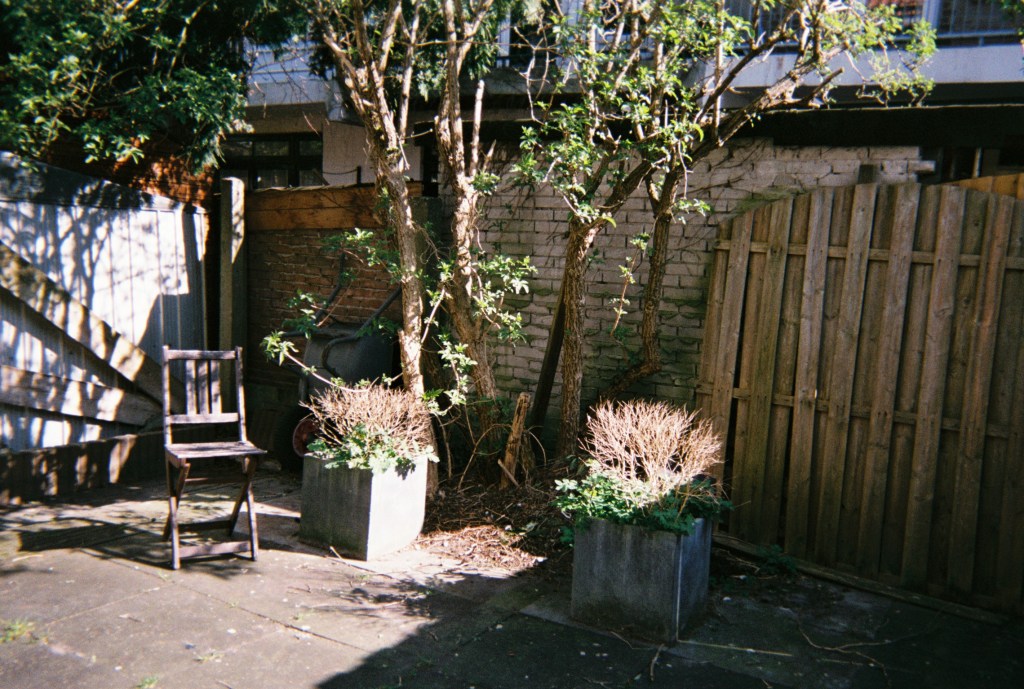
photo by Dorota Matejová, spring 2020
 music x movement x poetry • by Dorota Márföldi-Matejová